
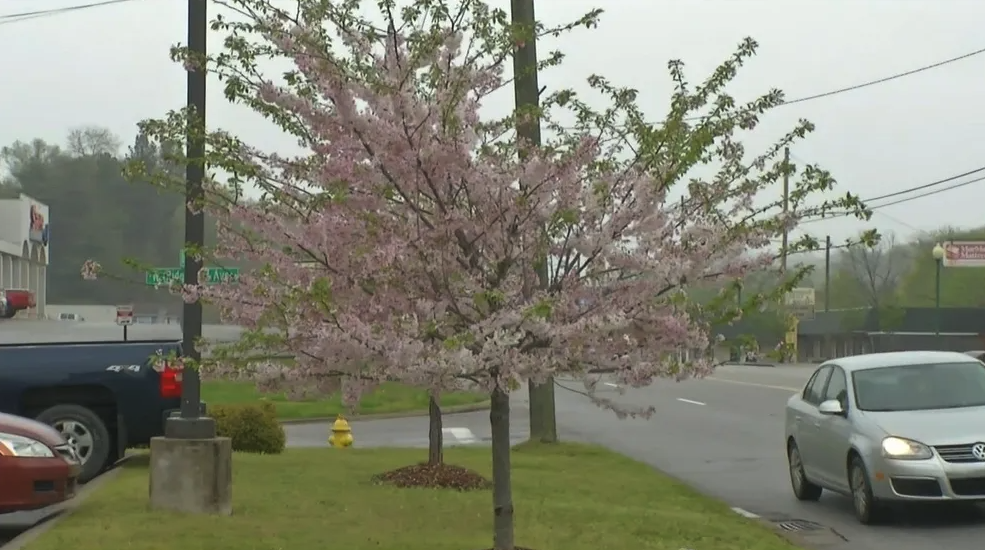
The last 3 pollen counts to end the month of March performed by the Chattanooga – Hamilton County Air Pollution Control Bureau were over 3000.
This places us in the middle of spring tree pollen allergy season.
But, how do spring allergy symptoms differ from COVID-19?
With increased awareness and fear of respiratory symptoms, it’s important to remember that allergies are not the same as COVID-19.
The simple answer is with allergies, you will feel it isolated mainly in your head.
Dr. Todd Levin, allergist at the Chattanooga Allergy Clinic, said that approximately half of the Chattanooga population suffers from some form of allergies – and tree pollen dominates.
“For spring allergies, you’re going to have a lot more runny nose. That’s typically clear and watery. You’ll have more congestion and more itching - both of your eyes and nose,” Levin explained.
Another big distinction is that COVID-19 produces a fever while allergies do not.
“You have more headaches with COVID-19, more aches, pains, just generally feeling bad. Allergies can make you feel miserable, but it’s mostly in your head, in your eyes,” Levin distinguished.
The coronarvirus, on the other hand, will have the sensation of the whole body being ill, along with a cough and shortness of breath.
Since allergy symptoms include itchy eyes and runny nose, you’ll be tempted to touch your face. If you do, make sure to wash your hands before and after.
The best thing for allergies though is prevention.
“We’re trying to prevent our patients from having the itchy watery eyes in the first place. We want them to start their medications early and use them regularly. We want our patients to come in for their allergy shots regularly,” advised Levin.
People with asthma need to be especially careful now with allergies and coronavirus to keep it under control.
“The worst thing that we could have right now is people going to the ER because of asthma,” warned Levin.
Asthma has shortness of breath like coronavirus symptoms.
Social distancing may have you or your kids touching less objects outside, but the yellow pine pollen that covers surfaces is not the allergenic problem.