
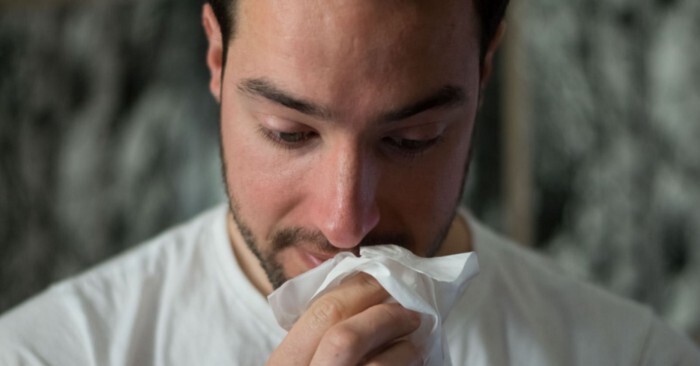
Over 50 million people nationwide experience allergies each year, according to the American College of Allergy, Asthma and Immunology. This includes seasonal allergies caused by tree pollen, grasses and weeds, as well as year-round allergy triggers like dust, mold and animal dander.
Chattanooga is known for having some of the worst allergy seasons in the country and the city is currently in the middle of tree pollen season. Additionally, the Tennessee and Georgia stay-at-home order may be triggering allergies for people stuck in the house with their pets for longer times than usual.
This has left over 30,000 Chattanooga area residents who suffer from allergies with one big question; “is it allergies or is it COVID-19.”
While allergies and the novel coronavirus show some of the same symptoms, our expert doctors at Chattanooga Allergy Clinic say there are ways to tell which people are experiencing.
Symptoms of Allergies Vs. COVID-19
There are a few key ways that allergies are different from COVID-19. Most importantly, allergies aren’t associated with having a fever, even though an allergy is sometimes called hay fever.
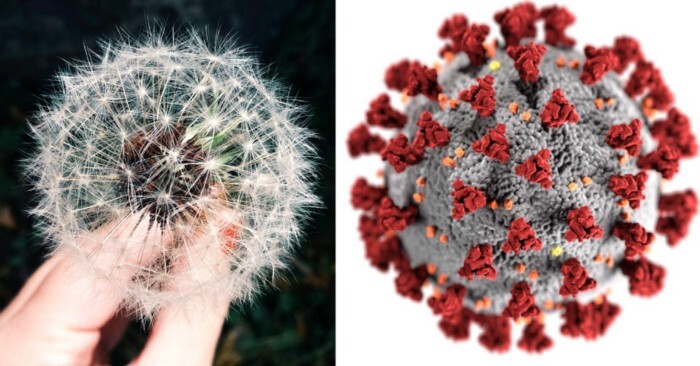
ALLERGIES
Here are some of the common symptoms of allergies:
- Nasal congestion.
- Throat clearing.
- Sneezing.
- Itchy, watery eyes.
- An itchy or runny nose.
- Dry cough.
- Feeling run-down, although you’re still able to get out of bed and do your daily routine.
- A loss of smell for severe allergies.
- If you have asthma, then allergies could trigger your asthma symptoms, like wheezing and shortness of breath.
COVID-19
Here are some of the common symptoms of a COVID-19 infection:
- A fever.
- Difficulty breathing.
- Dry cough.
- A loss of smell or taste.
- Muscle aches.
- Fatigue to the point where you can’t get out of bed.
- Digestive symptoms, such as nausea, vomiting and diarrhea.
In contrast to allergies, COVID-19 isn’t typically associated with sniffles or sneezing.
Aside from symptoms, it’s important to know your medical history concerning allergies. Since allergy symptoms typically come at the same time each year it is easy to correlate symptoms and your own personal medical history concerning allergies and time of year. If, last spring, you suffered from sniffling and sneezing, and it’s happening again, that’s more indicative of allergy problems.
Another key thing to look for are “itchy symptoms.” From what we know about COVID-19 today, itchy symptoms are not associated with COVID-19 or any other respiratory infection, but they are a hallmark sign of allergies. This is the same for eye symptoms. Environmental-related allergies — caused by pollen, dust, and related substances — can cause itchy, watery, and burning eyes a symptom that has not been commonly reported by those infected with COVID-19.
In the reverse, much like a fever, allergies don’t typically have muscle aches or digestive issues like those reported concerning COVID-19.
There is some overlap with seasonal or year-round allergies and COVID-19 infection symptoms: cough and trouble breathing, but for the most part, the specific differentiating symptoms listed above for each are the easiest way to separate the two.
Chattanooga Allergy Clinic is currently seeing new and existing patients during regular business hours. Patients, new and existing, will be given a COVID-19 screening upon entry into all locations. We also offer multiple options to promote social distancing including in-car waiting for both shots and appointments. Telemed appointments are available to Chattanooga Allergy Clinic patients who are interested.
Make an appointment at any Chattanooga Allergy Clinic locations.
If your symptoms match the symptoms of a person suffering from allergies and do not include any of the specific symptoms associated with COVID-19, you can reach out to Chattanooga Allergy Clinic directly to setup an appointment by visiting chattanoogaallergyclinic.com or call us at (423) 899–0431. If you are feeling sick or experiencing any symptoms of COVID-19 you should seek medical advice directly. Medical evaluations and testing are available at many walk-in clinics or through your primary care physician.