
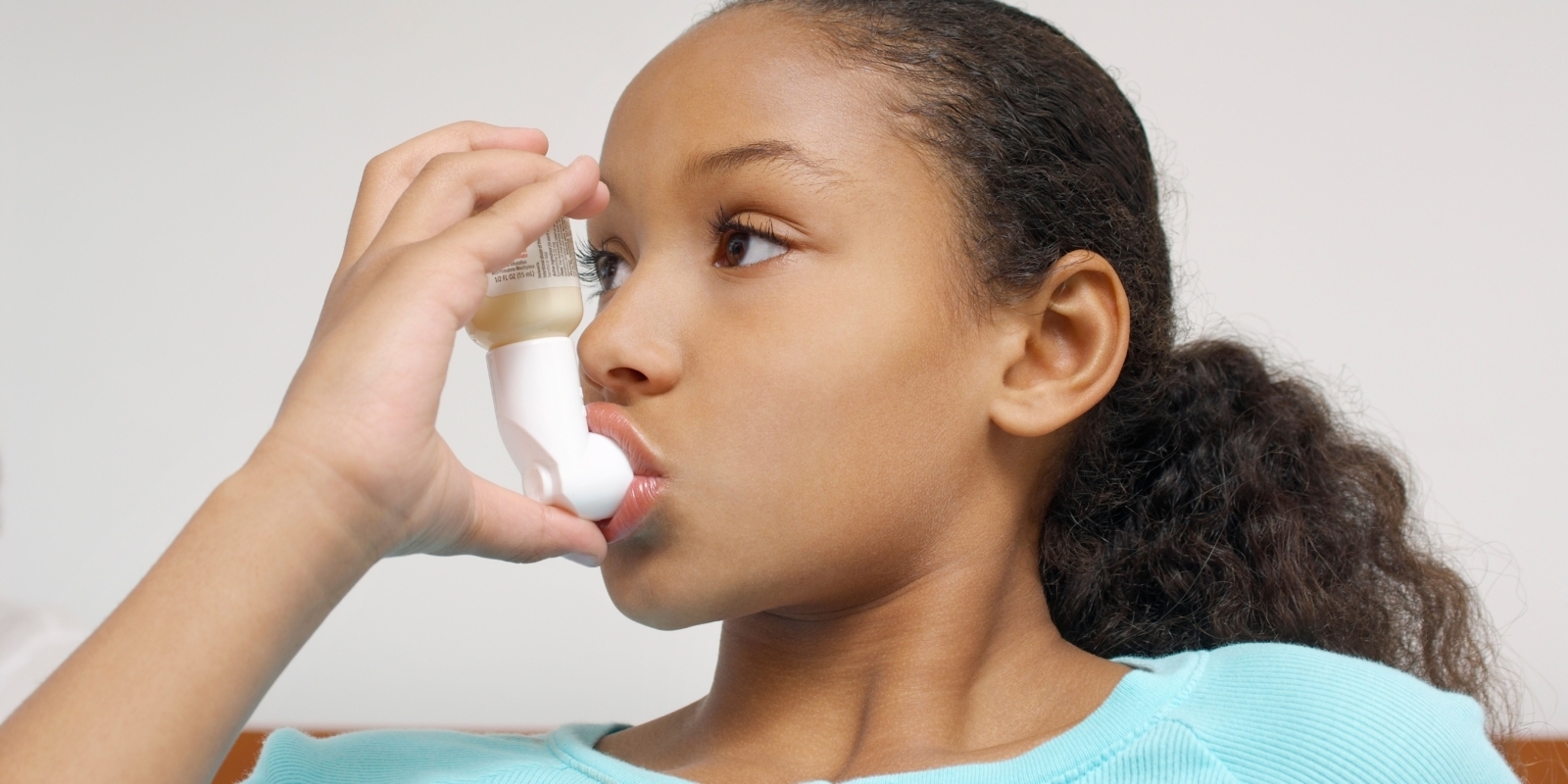
ALERT: Asthma Attacks & Hospitalization Peak in September
Typically pediatric asthma hospitalizations peak 3 weeks after school starts- also known as the September Asthma Epidemic. During this time:
Doctors see more people with asthma episodes and attacks.
The third week of the month is the worst. It is called the September Asthma Epidemic or Asthma Peak Week.
Everyone with asthma needs to take extra precautions during September. This is especially important as emergency rooms and hospitals are full due to the spread of the latest variant of COVID-19. Children tend to be the most affected during this time. But that doesn’t mean adults aren’t at risk. Parents and grandparents can be affected too.
Why Does Asthma Peak in September?
September is the perfect storm for people with asthma and allergies. Ragweed, the most common fall pollen allergy, peaks in September in the United States. Mold counts go up as leaves collect outside. Children return to school and are exposed to respiratory illnesses. Flu season is starting, and currently, the coronavirus is still spreading.
With these happening at the same time, you are exposed to a lot of asthma triggers. This can make it hard for you to keep your asthma under control.
In fact, the third week of September is considered Asthma Peak Week. Many more people stay in the hospital for asthma shortly after school starts than at any other time of the year. Around 25% of asthma-related hospital stays in children happen in September. The number of asthma hospital stays peaks for school-age children first. Then preschool children, and then adults.
What causes increased hospitalization:
- People who stay in the hospital for asthma often have a viral infection. Serious asthma attacks are often related to respiratory tract infections, especially rhinovirus. Rhinovirus is the main cause of the common cold. Viral infections are responsible for half of the asthma attacks in adults and 80% of asthma attacks in children.
Kids are at high risk, but why?:
- Kids tend to get sick when they go back to school. Crowded school classrooms are hotbeds of germs. Cold season also peaks at the same time school starts. Kids catch colds at school, get sick, and then expose others in the home to the illness. These infections then set off serious asthma attacks for some people. While there is no vaccine for the common cold, the flu shot is available. Flu season can occur later in the fall or winter. Everyone, including family members, should get a flu shot each year, if possible.
- Kids are exposed to a lot of allergens when they go back to school. Children are often exposed to mold, pests, pollen, pet allergens, and more in schools. All of these can be triggers for some people with asthma. Children’s clothes or belongings can then carry these allergens, like pet hair, from school to home. And then the allergens may trigger other family members with asthma or allergies.
How Do I Know If My Asthma Is Not Under Control?
As we head into Asthma Peak Week, it’s important to know if your asthma is under control, how to avoid getting sick and what to do if you do get sick.
If your asthma is well-controlled, you have a better chance of recovering faster or avoiding complications from an illness. It’s important to know if your asthma is under control, especially as the coronavirus, the flu, and other respiratory illnesses are spreading.
If you aren’t sure if you or your child has asthma or if you don’t know if your asthma is under control then it is extremely important that you or your child sees a Chattanooga Allergy Clinic board-certified physician today. Make an appointment here.
Sources:
https://community.aafa.org/blog/september-asthma-epidemic