

Understanding Food Allergies: 5 Helpful Facts
According to foodallergy.org, over 30 million Americans are currently living with potentially life-threatening food allergies. They also say that every three minutes a food allergy reaction sends someone to the emergency room.
Food allergies can be very frustrating for millions of Americans and, if not diagnosed correctly, they can cause many symptoms that range from discomfort to life-threatening. At Chattanooga Allergy Clinic our board-certified doctors and a team of allergy specialists can help properly identify the issue and create a personalized treatment plan.
What are the main causes:
The job of the body’s immune system is to identify and destroy germs (such as bacteria or viruses) that make you sick. A food allergy happens when your immune system overreacts to a harmless food protein—an allergen.
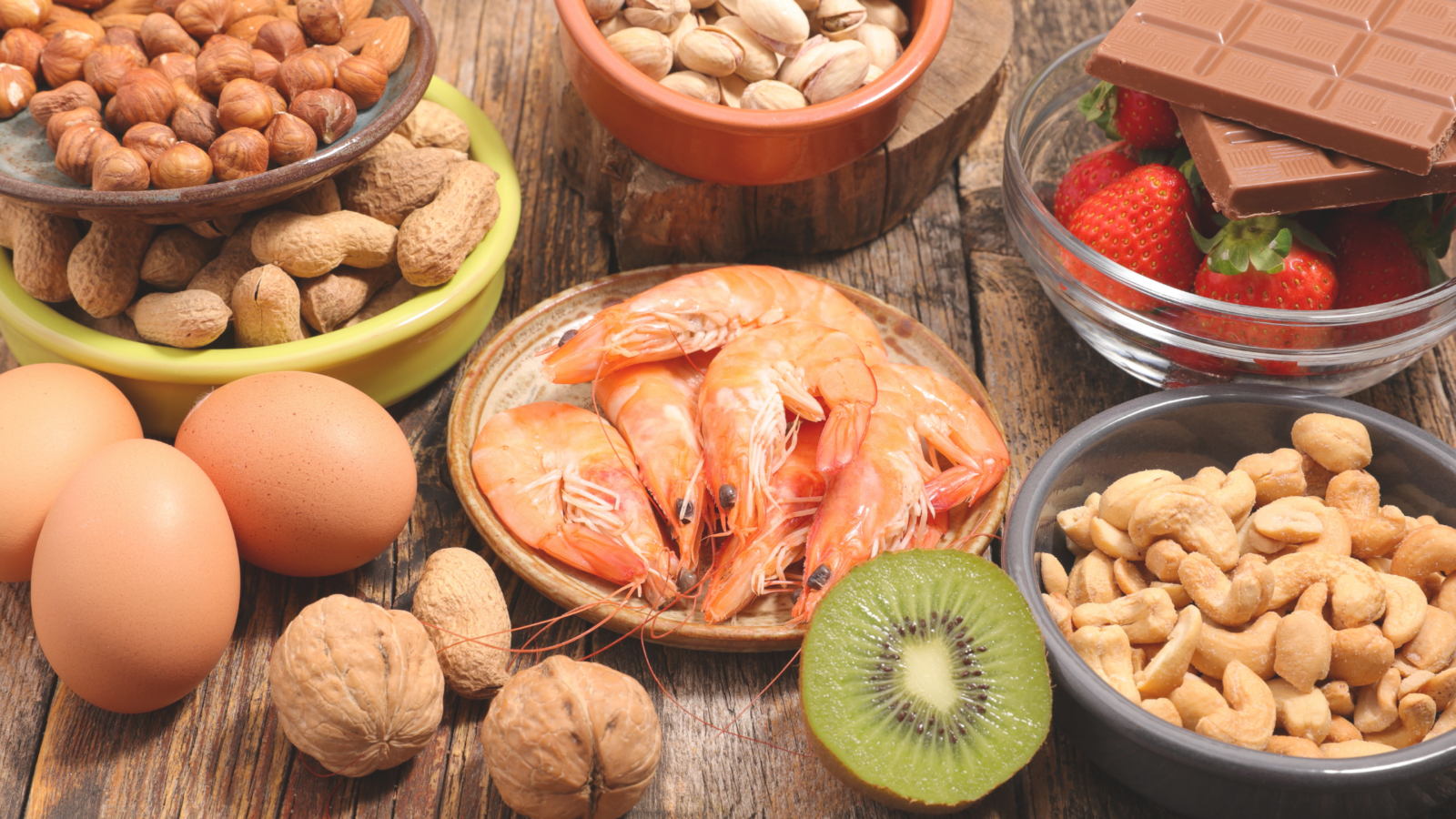
In the U.S., the eight most common food allergens are milk, egg, peanut, tree nuts, soy, wheat, fish, and shellfish.
Family history appears to play a role in whether someone develops a food allergy. If you have other kinds of allergic reactions, like eczema or hay fever, you have a greater risk of food allergy. This is also true of asthma.
Food allergies are not the same as food intolerances, and food allergy symptoms overlap with symptoms of other medical conditions. That is why it is important to have your diagnosis confirmed by a qualified specialist.
Common foods that cause food allergies:
While there are more than 160 foods that cause allergic reactions, only 8 key ones are identified by the Federal Drug Administration (FDA) to be the most common food allergens.
- Cow's milk, peanuts, eggs, shellfish, fish, tree nuts, soy, wheat, rice, fruit.
Food Allergies Are Serious:
Food allergy may occur in response to any food, and some people are allergic to more than one food. Food allergies may start in childhood or as an adult.
All food allergies have one thing in common: They are potentially life-threatening. Always take food allergies—and the people who live with them—seriously.
Food allergy reactions can vary unpredictably from mild to severe. Mild food allergy reactions may involve only a few hives or minor abdominal pain, though some food allergy reactions progress to severe anaphylaxis with low blood pressure and loss of consciousness.
Currently, there is no cure for food allergies.
5 facts about Food Allergies from Dr. Jennifer Patel:
- What food allergies are most likely to arise in adults as they age?: Most food allergies develop in childhood but can rarely develop in adulthood. The most common food allergies for adults are shellfish, fish, peanuts, and tree nuts.
- Why do food allergies develop this far into adulthood? What causes it?: People often ask how they can develop an allergy to something they have eaten most of their life. An allergy is the body overreacting to something it has been exposed to or eaten before. The body recognizes a food you eat and abnormally decides to overreact to it. You start to make too many allergy cells, called IgE, and those cells will identify a protein in certain food and bind to it which makes the immune system overreact. This can cause hives, shortness of breath, swelling in your lips or eyes, stomach pain, and low blood pressure.
- How can someone tell the difference between a food allergy and an intolerance?: There are many intolerances to food, especially in adults. A true food allergy is a very specific reaction that occurs usually between 1 minute and 1 hour of eating a specific food. There are exceptions and it can occur up to four hours later but classically it occurs quickly. The difference is what is going on inside of the body that is causing the reaction. If it is a true allergy then you get a very classic reaction including some or all of the symptoms described above with hives, shortness of breath, swelling, severe stomach pain, and low blood pressure. If it's truly the allergy cell causing this reaction then you must avoid the food and an epinephrine injector would be the treatment. If you have an intolerance to a specific food then an epinephrine injector will not help because it is not the allergy cell causing the symptoms. Sometimes an intolerance also gives you more leniency to try certain amounts or versions of a concerning food to see if you tolerate it. A true allergy means you must avoid it in all forms and amounts.
- Are food allergy symptoms in older adults different than they are in children or younger adults?: Symptoms are similar in children and adults. Teenagers are at a higher risk of reacting due to being less vigilant about avoiding their allergen and are more likely not to carry their epinephrine injector. I tend to think of it as one more way teenagers are more likely to engage in risky behaviors due to their feelings of being invincible. This makes it all the more important for them to carry their epinephrine injectors at all times.
- Can food allergies be managed, or are you just stuck with it?: Currently, the main treatment for food allergies is avoiding the food and carrying two epinephrine autoinjectors at all times. Last year the FDA approved a product called, Palforzia, to treat peanut allergy in 4-17 yr olds. The overall principle of this treatment is to slowly introduce tiny amounts of peanut protein to a person's diet every day with a pill. Unfortunately, the goal of this treatment is not the ability to eat peanuts freely. It is to protect a person who accidentally eats a small amount from having a life-threatening reaction. Things have changed a lot in how much we know about food allergies in the last 10 years and as we continue to learn we hope to have more options for treatment in the future.
Symptoms, Diagnosis, Treatment & Management
Symptoms:
The symptoms of the allergic reaction may range from mild to severe.
Food allergy symptoms may include:
- Itchiness
- Swelling of the tongue
- Vomiting
- Diarrhea
- Hives
- Trouble breathing
- Low blood pressure.
Symptoms typically occur within minutes to several hours of exposure. It is important to know that a food intolerance and food poisoning are separate conditions, not due to an immune response.
When the food allergy symptoms are severe, it is known as anaphylaxis.
Diagnosis:
Suspected food allergies should always be evaluated, diagnosed, and treated by a qualified medical professional. Do not diagnose on your own, self-diagnosis can lead to unnecessary dietary restrictions and inadequate nutrition, especially in children.
Proper diagnosis of food allergies is extremely important. Studies have shown that many suspected food allergies are actually caused by other conditions such as food intolerance. Skin tests and blood tests are often ordered. A food challenge under the care of your allergist/immunologist may also be needed to confirm an allergy.
Diagnosis can be done three ways:
Skin Prick Test: A skin prick test introduces food allergens just below the skin surface and then by measuring the size of any skin reaction that may have resulted.
Blood Test: A blood test measures food-specific IgE antibodies in the blood. Blood tests measure the presence of IgE antibodies in specific foods. (IgE, short for “immunoglobulin E,” is the antibody that triggers food allergy symptoms.)
Food Elimination Diets: Once you meet our team your doctor may place you on a food elimination diet. A food elimination diet typically involves avoiding a specific food for an extended period of time to see if the symptoms go away. Then food may then be eaten again to see if the symptoms return.
Treatment & Management:
Proper diagnosis by an allergist/immunologist is the first step to managing your condition.
If you are diagnosed with a food allergy, the treatment plan will be to strictly avoid that food. If you are diagnosed with an intolerance, you may be able to ingest small quantities without having a reaction.
There is currently no cure for food allergies; nor are there medicines to prevent reactions. Yet there are steps you should take to manage your condition. The most important of these is avoiding coming in contact with food proteins that can cause an allergic reaction.
Read food labels to ensure that you don’t eat foods that contain foods to which you are allergic. Always ask about ingredients when eating at restaurants or when you are eating foods prepared by family or friends.
If you have severe allergies to food, be sure to complete an Anaphylaxis Action Plan and carry your auto-injectable epinephrine with you at all times. Use this medication in the event of an anaphylactic reaction.
For milder reactions, antihistamines may help relieve symptoms. Be sure to discuss this approach with your allergist/immunologist.
Make an appointment today if you have questions about food allergies and how they may be affecting you or someone you love.